Read Our Blogs
6 ways to spend Earth Day
Earth Day is an opportunity to give back to Mother Earth. There are so many ways to do this that it can feel overwhelming to attempt to give back what nature provides to us. We're happy to help by giving you six ways you can make a big impact this Earth Day. Virginia State Parks are hosting Earth Day events between April 17-26, 2026, across the commonwealth to make it even easier for you to give back.
1. Plant natives for nature

A monarch butterfly on native butterfly milkweed in Kiptopeke State Park’s Native Plant Garden
Say thank you to pollinators this Earth Day by planting native, pollinator-friendly plants. Native species are those that naturally occur in the region in which they evolved. Since plants evolve over time, native plants possess certain traits that make them uniquely adapted to local conditions and provide the best resources to wildlife.
The following parks are hosting planting or native plant hiking events:
- Preserve the Beauty (gardening/planting) - Kiptopeke State Park
- Roots & Fruits: A Native Orchard Project - Sweet Run State Park
- Volunteer Call to Service Earth Day Event: Transplanting Rivercane + Trash Pickup - New River Trail State Park
- Origami Seed Pots - Natural Tunnel State Park
- Origami Seed Pots - Hungry Mother State Park
- Wild Plants of SWVA Walk - New River Trail State Park
- Plant it Forward - Hungry Mother State Park
- Native Plants and Pollinators - Fairy Stone State Park
- Bee Power for Our Planet Exhibit - Southwest Virginia Museum
2. Remove invasive plants
Invasive plants are species that have been introduced to our environment, are out of place and cause harm to our biodiversity. Invasive plants often crowd out or even kill native plants. Removing invasive species helps native flora and fauna to thrive with their native habitat.

Removing invasive plants at Staunton River Battlefield State Park
Learn which plants are invasive at Virginia State Parks by attending a removal event, such as the following.
- Invasive Olive Cut Down - Bear Creek Lake State Park
- The Hunt for Invasive Species - Hungry Mother State Park
- Help Battle Invasive Plants - Powhatan State Park
- Volunteer Work Day : Garlic Mustard Removal - Seven Bends State Park
- Invasive Plant Removal - Leesylvania State Park
- Ecosystem Invaders - Widewater State Park
- Help Protect Hemlock Trees - Douthat State Park
3. Clean up a trail

A successful cleanup at James River State Park
Virginia State Parks depend on volunteers to help us maintain our 700+ miles of trails. Enjoy a hike and feel good about making the trail look better than how you found it by going to one of the following events.
- High Country Cleanup - Grayson Highlands State Park
- Earth Day Cleanup - Sailor's Creek Battlefield State Park
- Celebrating the Earth Clean Up - Twin Lakes State Park
- Leaf it Clean Challenge - Smith Mountain Lake State Park
- Community Garden Cleanup - Natural Tunnel State Park
- Campground Restoration Project - Sky Meadows State Park
- Earth Day: Adopt-a-Trail Volunteer Event - Occoneechee State Park
- Earth Week Projects - Pocahontas State Park
4. Clean up a beach or waterway
Help improve water quality by removing trash from beaches, creeks, lakes, etc. Trash in natural waterways doesn’t only look bad, it can harm wildlife and pollute our drinking water.
- False Cape Beach Cleanup - False Cape State Park
- Beach Cleanup - Chippokes State Park
- Trash to Art Contest (clean up & then upcycling competition) - Caledon State Park
- Lake Cleanup - Hungry Mother State Park
- Shoreline Cleanup - Claytor Lake State Park
- Earth Day Clean-Up - Belle Isle State Park
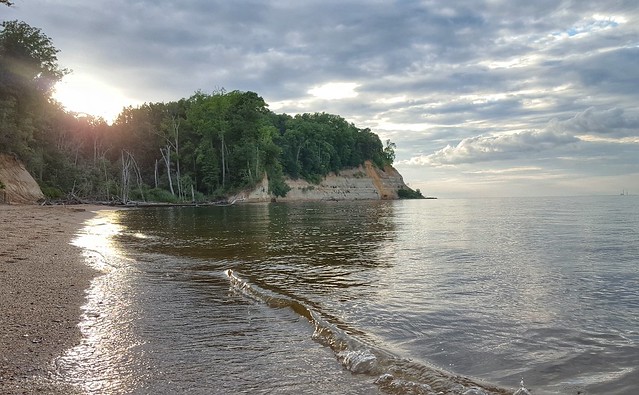
Fossil Beach at Westmoreland State Park. Photo by Bob Diller
5. Participate in community science
Community science (aka citizen science or participatory science) is simply observing nature and logging it publicly to share what you find. An example of community science is counting birds you see in an environment and logging what you spot in eBird — an online database of bird observations. This data provides scientists, researchers and naturalists with real-time information on bird migration and population.

Birdwatching at Claytor Lake State Park
Events include walks and talks about native ecology.
- Earth Walk - Clinch River State Park
- Leave No Trace 101 - Hayfields State Park
- Tree ID Hike - Claytor Lake State Park
- Lake Loop Bird Hike - Hungry Mother State Park
- Basic Tree ID Walk - Douthat State Park
- Wild Plants of SWVA Walk - New River Trail State Park
- Morning Bird Walk - New River Trail State Park
- "Restore Our Earth" Wild Bird Survey - High Bridge Trail State Park
- Earth Day Celebration - Machicomoco State Park
- Volunteer Trail Survey - Lake Anna State Park
- Birding for Science! - Powhatan State Park
- James River Earth Fest - James River State Park
- Tree Trek - Westmoreland State Park
- Birding for Beginners - Fairy Stone State Park
- Sounds of Spring: Woodland Amphibian Walk - Nights in Nature Series - Shenandoah River State Park
- Earth Week - Critter Crawl - Staunton River Battlefield State Park
- Living Shoreline Trek - York River State Park
6. Recycle and upcycle
Make a difference this Earth Day by donating your plastics. Learning about recycling and upcycling at workshops at various parks.
- Power Up Ranger Station - Bear Creek LakeLake State Park
- Crafting Hour - Twin Lakes State Park
- Every Day is Earth Day - Holliday Lake State Park
- Reduce, Reuse, Recycle Regatta - Pocahontas State Park
- Out with the Old, In with the New, Recycled Art - Mason Neck State Park
- T-Shirt Transformation Crafternoon - First Landing State Park
- Trash to Treasure - Hungry Mother State Park
- Ecobricks: Reduce, Reuse, Rebuild - Hungry Mother State Park
Thank you for looking for ways to help our environment this Earth Day! We hope Virginia State Parks inspires you to take care of the world around you every day.
Original article authored by Haley Rogers, April 19, 2023
If you have read the article and have a question, please email nancy.heltman@dcr.virginia.gov.
Search for blogs
By Park
Categories
Cabins
Camping
Fishing
History and Culture
Other
Programs and Events
Trails
Volunteers
Water Fun
Archive
2026
2025
2024
2023
2022
2021
2020
2019
2018
2017
2016
2015
2014
2012